

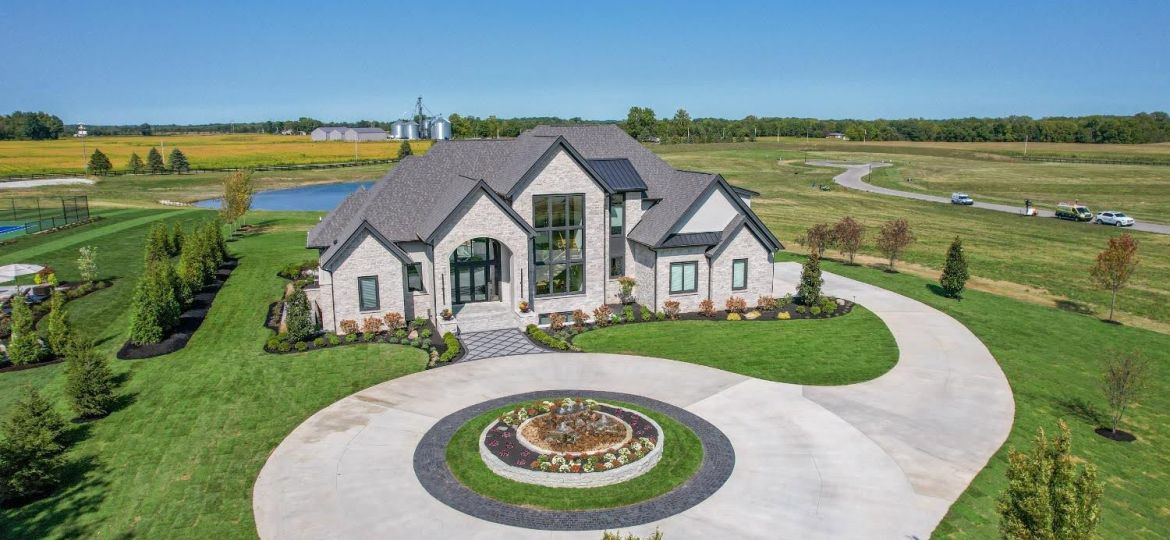
This story is the first installment of a four-part series created in partnership with Old Town Design Group.
There are two ways to walk through a Home-A-Rama house.
The first is to mentally move in. Pick your bedroom. Decide where you’d drink your morning coffee. Imagine hosting Thanksgiving in a kitchen approximately three times the size of your current one.
The second — and probably more useful — is to pay attention.
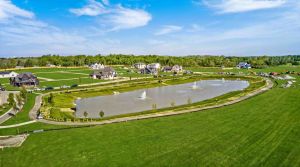
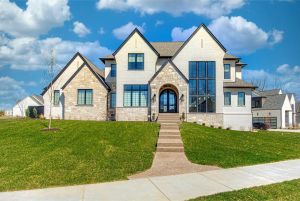
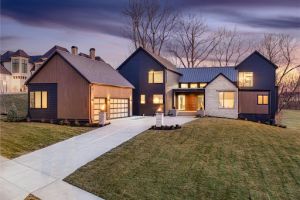
This year, Home-A-Rama comes to Wild Air in Zionsville, where four Central Indiana builders each showcasing two homes. Old Town Design Group’s two homes include one estate lot home and one alley-load home, each with a different take on European-inspired design.
Old Town started in 2008 building custom homes in downtown Carmel and has since expanded across Hamilton, Boone, and Tippecanoe counties. Today, its residential work ranges from townhomes and villas to custom homes and $4 million estate homes. The company builds in its own communities, including Wild Air, as well as on clients’ existing lots.
So, yes, there will be plenty to look at during Home-A-Rama, but there is more to leave with than a camera roll full of houses they want to live in.
“The goal is to walk away with one or two pocket projects to implement in their own homes,” Old Town’s Marketing and Operations Manager Jennifer Axsom said.
With that in mind, here’s a few things worth paying attention to while you’re there.
Two Homes That Don’t Look the Same
Old Town worked with its sister company, Everything Home, on the interiors of both houses. Everything Home is owned by Wendy Langston, and Sarah Hanje served as the primary interior designer for both Home-A-Rama projects.
Despite having the same team behind them, the two houses aren’t meant to look alike.
The estate home takes inspiration from fait maison, or “made in the home,” with layers of stone, plaids, leather, wood and other textures. The second home is also European-inspired, but more traditional, with a Ralph Lauren influence. The difference is intentional.


“We try not to chase trends simply because they are popular at the moment,” said Stacey Willis, Old Town Design Group’s sales and marketing director. “A home can start to feel dated quickly when every surface is trying to make a statement.”
Instead, Willis said Old Town starts with the architecture and layers in personality through things that are easier to evolve over time.
That also means everything doesn’t have to match.
You might see matte black fixtures in one room, champagne bronze in another and stainless steel somewhere else. Axsom said finishes are actually one of the easiest things Home-A-Rama visitors can take inspiration from without building a new house.
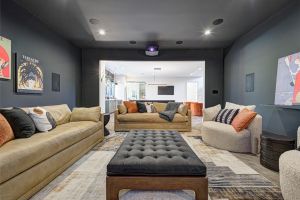
The same goes for paint. Light colors are still around, but so are darker spaces and color drenching, where the walls, trim, and sometimes ceiling are painted the same or similar colors.
So if you’ve been avoiding the paint aisle because you’re still trying to determine which shade of off-white won’t look weird in your living room, you may leave with some new options.
The Features That Actually Make a House Good
It’s easy to walk into a Home-A-Rama house and notice the kitchen or the giant windows. It’s probably less likely that your first thought is, “Wow, great outlet placement.”
But maybe it should be.
Willis said clients today – especially women – are thinking much more about how they actually use their homes, down to storage, traffic flow, drop zones, laundry locations, outlets, and the relationship between rooms.
“Some of the best design decisions aren’t necessarily the things someone notices when they first walk into a home — they’re the things that make living there easier every single day,” she said.
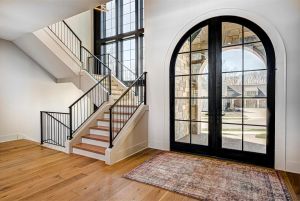
Clients are also becoming less interested in square footage just for the sake of having it.
“Bigger isn’t automatically better anymore,” Willis said.
Instead, homeowners are willing to give up formal spaces they don’t use for better kitchens, larger pantries, functional mudrooms, home offices, outdoor living and flexible spaces that can change along with their needs.
Kitchens are still one of the places clients are most willing to spend money, particularly on cabinetry, appliances, large islands and walk-in or working pantries. Primary suites, outdoor spaces, and architectural features like large windows and doors are other priorities.
A lot of what clients are asking for could also fall under “wellness,” even if that’s not how they’re describing it: more natural light, better access to outdoor spaces, somewhere quiet to work, a relaxing primary suite, a home gym, less clutter. All of these features affect both the way your home looks and how it supports your lifestyle.
Outdoor living has become especially important, Willis said, with large doors connecting the inside of the house to covered patios, fireplaces and outdoor rooms.
And after years of open-concept everything, people apparently want walls again — or at least somewhere to escape to. Homeowners still want spaces to feel connected, but they also want some separation and quiet when they need it.
What You Can Take Home
Obviously, not every idea in a Home-A-Rama house is going to translate to your current home or budget – but a lot of them can.
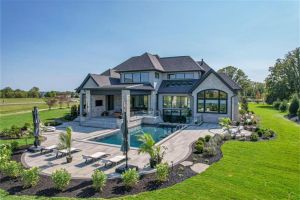
Paint is probably the easiest place to start, followed by lighting, fixtures, and doors. Pay attention to how different finishes are mixed rather than matched and how materials and textures are layered together.
Also, take note of the floor plans even if you’re not planning to change yours. Where is the laundry room compared to the bedrooms? How do you get from the garage to the kitchen? Can you see straight into every room from the front door? Where did the designers create separation?
Those are the kinds of decisions Old Town wants people to notice.
Willis said the goal is for a home to have an intentional flow, natural light where you want it, and details that make it feel special without trying too hard.
Ultimately, she wants someone to walk through the front door and think, “I could live here.”
If you’re considering building someday, Old Town obviously hopes the houses do something else, too.
“We’d love for them to leave thinking, ‘This is the level of quality I want in my home, and if I ever consider building these are the people I would trust to build it,’” Willis said.
One More Thing: Check the Doors
Axsom did give one hint about a special feature that guests may miss if they don’t know to look for it.
“There might just be a hidden room somewhere.”
So while you’re looking at paint colors, pantries and outlet placement, keep an eye out for unlikely entrances.
Plan Your Home-A-Rama Tour
Home-A-Rama runs Sept. 10–13, 17–20, and 24–27 at Wild Air in Zionsville. Tickets are available through the Builders Association of Greater Indianapolis’ Home-A-Rama website, where you can select your date and arrival time.
Old Town staff will be in both homes throughout Home-A-Rama to answer questions about floor plans, selections, colors, or anything else you want to know. If you’re craving even more inspiration after the eight official Home-A-Rama homes, Old Town will also have two staged villa models open across the road in Wild Air.
So go ahead and mentally move in while you’re there. That’s half the fun. But take a second to actually look around for a paint color, a better way to use a room or one of those “pocket projects” you can take back to the house you already have.
Or, maybe you’ll decide you need a hidden room. That works too.
Kylie Stine has been a regular contributor to Indy Maven since 2020. She loves exploring spaces around Central Indiana (and will definitely be searching for the hidden room).
Support Local Journalism
Get the good stuff. Stay in the loop. to our weekly newsletter and join 5,500+ savvy locals getting event recs, insider tips, and exclusive content—like our must-have guide to Indy’s summer hidden gems. Sign up here.