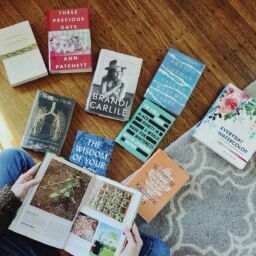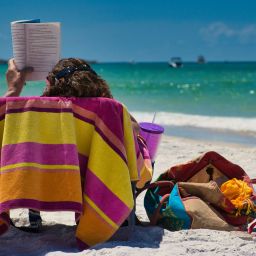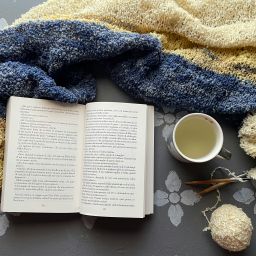


Summer reading isn’t just about the books; it’s about the feeling—the way a story expands to fill the extra hours of daylight. This season, the literary landscape is particularly lush, ranging from high-stakes thrillers that make you forget to reapply your sunscreen to sun-drenched romances that feel like a vacation in paper form. Read on and don’t forget to shop at your local bookstores.


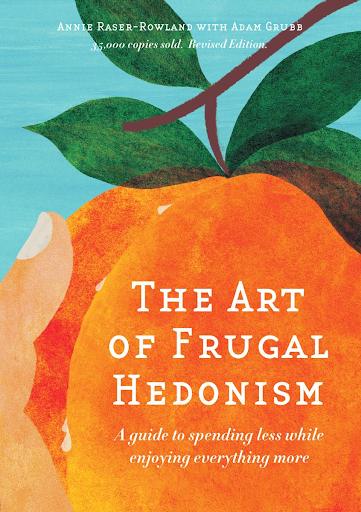
The Art of Frugal Hedonism
by Annie Raser-Rowland and Adam Grubb
The Art of Frugal Hedonism reveals the authors’ core strategies for lowering your consumption while raising your quality of life. It’s possible to live sustainably or save money without feeling like a “diet” of deprivation.
Station Eleven
by Emily St John Mandel
Fifteen years after a global pandemic, Station Eleven follows a nomadic troupe of actors and musicians risking their lives to perform Shakespeare across the desolate Great Lakes region. The story weaves together the lives of survivors before and after the collapse, exploring how art and human connection endure in the face of a violent prophet’s cult.
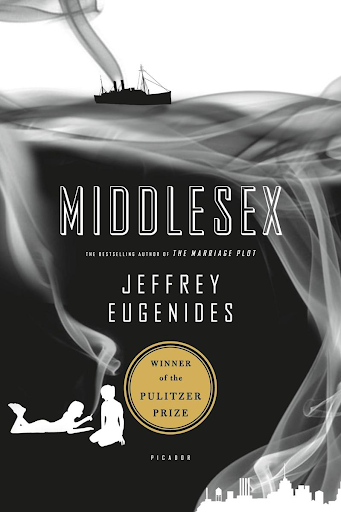
Middlesex
by Jeffrey Eugenides
From the author of The Virgin Suicides, Middlesex is a sweeping family saga that follows Calliope Stephanides, a Greek-American girl who discovers she is intersex during puberty due to a rare genetic mutation. To explain her identity, the narrative travels back through three generations—from a war-torn village in Asia Minor to the burning streets of Detroit—tracing the journey of a single gene.
Somebody’s Daughter
by Ashley C. Ford
In this powerful coming-of-age memoir, Ashley C. Ford navigates a fractured childhood in Indiana, marked by poverty, body image struggles, and the heavy absence of her incarcerated father. Searching for the “why” behind her family’s secrets and her mother’s volatility, Ashley endures a series of personal traumas—including a devastating assault—that leave her desperate for belonging and truth. When she finally learns the truth, Ashley is forced to reconcile her longing for his love with the reality of his actions, embarking on a transformative journey to define herself beyond the shadows of her lineage.
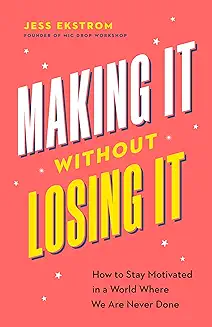
Making it Without Losing It
by Jess Ekstrom
Jess Ekstrom, founder of Mic Drop, tackles the reality that success isn’t just about the highlight reel, but about surviving the inevitable setbacks, burnout, and “almosts” that happen along the way. The book shifts the focus from the destination of success to the sustainability of the journey.
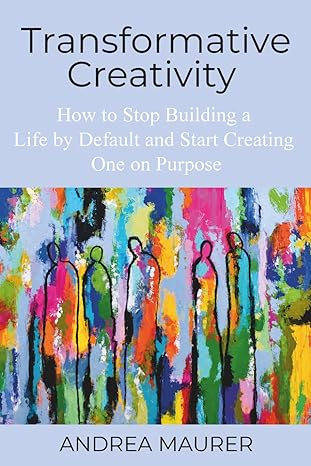
Transformative Creativity
by Andrea Maurer
What if the life you’re living isn’t actually yours?
Let’s be real: most of us are just sleepwalking through lives we didn’t exactly plan. We’re working the job that “seemed like a good idea at the time,” playing roles in relationships, and performing a version of ourselves that’s been on autopilot for so long we’ve forgotten the original script. Nothing is “wrong,” per se—it just doesn’t feel like yours anymore. Transformative Creativity is a guide to waking up and actually building a life you like, one real move at a time.
The Lazy Genuis
by Kendra Adachi
Here’s your guide that offers 13 principles to help you simplify your life by focusing on what truly matters and letting go of the rest, moving away from perfectionism and hustle culture. It provides a framework for creating your own system for managing your home, work, and relationships by being a “genius” about priorities and “lazy” about everything else, using practical advice like “decide once,” “start small,” and “ask the magic question” to reduce decision fatigue and live more intentionally.
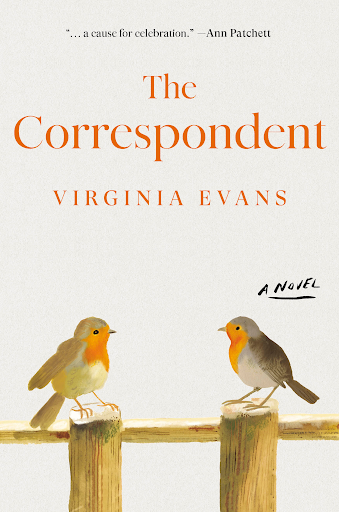
The Correspondent
by Virginia Edwards
This book is an intimate letter-led novel centered on Sybil Van Antwerp, a 72-year-old retired legal expert who is fiercely independent, sharp-tongued, and beginning to lose her eyesight. Recognizing that her physical world is shrinking, Sybil anchors herself by turning to the “lost art” of handwritten mail to stay connected.
Tell Me Where It Hurts: The Science of Pain and How to Heal Book
by Rachel Zoffness
In Tell Me Where It Hurts, Dr. Rachel Zoffness, a leading pain psychologist, systematically dismantles the old-fashioned idea that pain is “all in your head” or strictly “all in your body.” Instead, she explains that pain is a sophisticated, biopsychosocial experience that functions much like a volume knob in the brain.
Support Local Journalism
Get the good stuff. Stay in the loop. to our weekly newsletter and join 5,500+ savvy locals getting event recs, insider tips, and exclusive content—like our must-have guide to Indy’s summer hidden gems. Sign up here.